The Leanest (And Best) Cuts of Steak Money Can Buy
Skip the Filet Mignon this time.
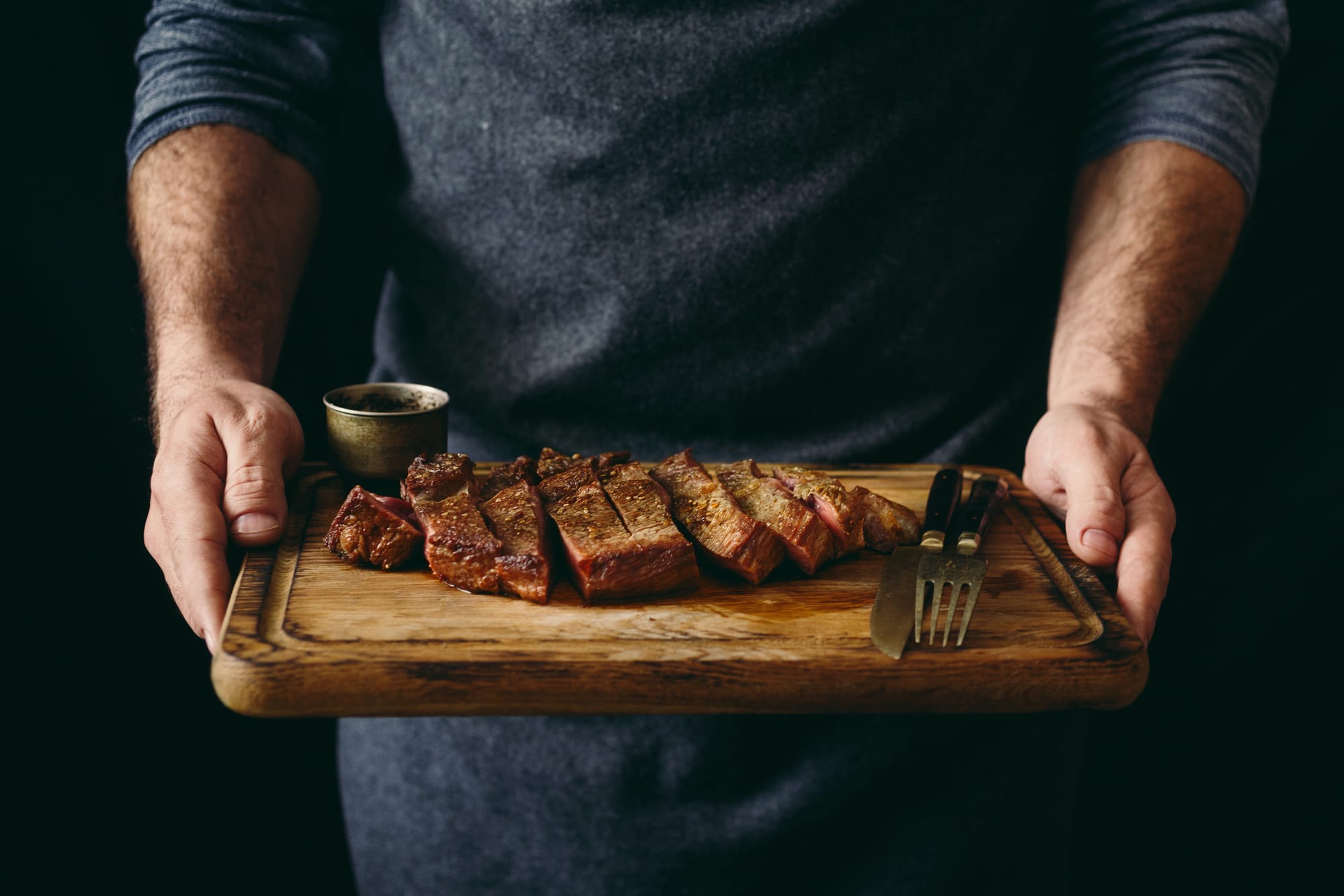
“Fat equals flavor” is a common refrain in cooking circles, and there’s no sense in arguing it. But less fat doesn’t mean no flavor, especially if you know where to look.
The right cuts, raised the right way, can deliver high-quality protein, rich flavor, and satisfying meals that are satisfying without being heavy. When looking for good-to-eat lean beef, most people reach for filet mignon—don’t. Well, you can, but filet mignon is pricier and oftentimes overshadowed, flavor-wise, by a number of lesser-known lean steaks.
These are the five best lean steak cuts you can buy, and why they deserve a place on your plate.
1. Hanger Steak
Sometimes called the “butcher’s steak,” hanger steak is lean and extremely tender when cooked properly. Hanger steak gets its name from exactly where it lives on the animal— hanging between the rib and the loin, suspended from the diaphragm, doing very little work. That’s why it’s naturally tender, even though it’s incredibly lean.
There’s only one hanger steak per animal, making it the rarest steak on a head of cattle, and it delivers a deep flavor with a satisfying bite. A quick sear and a rest before slicing—always against the grain, especially with cuts like hanger—and a sprinkle of salt should do. When sourced from well-raised cattle, hanger steak proves that bold flavor doesn’t require excess fat.
2. Top Sirloin
Top sirloin is one of the best balances of leanness, flavor, and versatility. Top sirloin gets its name from where it comes from on the upper portion of the sirloin, located just behind the short loin. Being “on top” matters here: this section is more tender and consistent than bottom sirloin, which is what earns the distinction.
It’s a cut prized for balance. Not overly fatty, not overly lean. It’s also a favorite for meal prep because it stays flavorful without relying on heavy sauces.
3. Flat Iron Steak
Flat iron steak is one of the most underrated lean cuts available. Flat irons get their name from the shape. Once trimmed, the cut is flat, rectangular, and resembles an old-fashioned metal flat iron. It comes from the shoulder, where careful butchery removes a tough connective seam, leaving behind one of the most tender steaks on the animal.
It has a fine grain, cooks evenly, and delivers a clean, balanced flavor. Flat iron is a favorite for weeknight meals because it’s forgiving on the grill or in a pan and shouldn’t cost you an arm and a leg to buy.
4. Flank Steak
Flank steak is lean and bold. It has very little fat, but a strong grain that benefits from proper slicing and marination. Flank steaks get their name from the flank of the animal, located along the lower abdominal muscles. This area does a lot of work, which gives flank steak its signature structure and beefiness (lots of movement means lots of oxygen works through the muscle, giving it more natural flavor oomph).
It’s a cut defined by muscle, not marbling and that’s what makes it special. This cut absorbs flavor beautifully and cooks quickly, making it a staple for fast, protein-forward meals. Because the cut is lean, quality matters, but above all remember to find and cut against the grain or you’ll be chewing for days..
5. Tenderloin
Tenderloin gets its name honestly. It’s the most tender muscle on the animal, running along the spine where it does very little work. Less work means finer texture, minimal connective tissue, and a buttery bite.
The tenderloin is the source of several cuts, including filet mignon. But the full tenderloin tells a bigger, more interesting story than filet alone. With minimal fat and an exceptionally soft texture, it’s ideal for those prioritizing protein while still wanting a luxe-feeling eating experience.
This is where tenderloin differs from filet mignon. Filet is taken from the narrow end of the tenderloin, making it uniformly tender but also very mild. Steaks cut from the larger parts of the tenderloin retain much of that tenderness while carrying heartier beef flavor, too.